
Laser Resurfacing in Edmonton
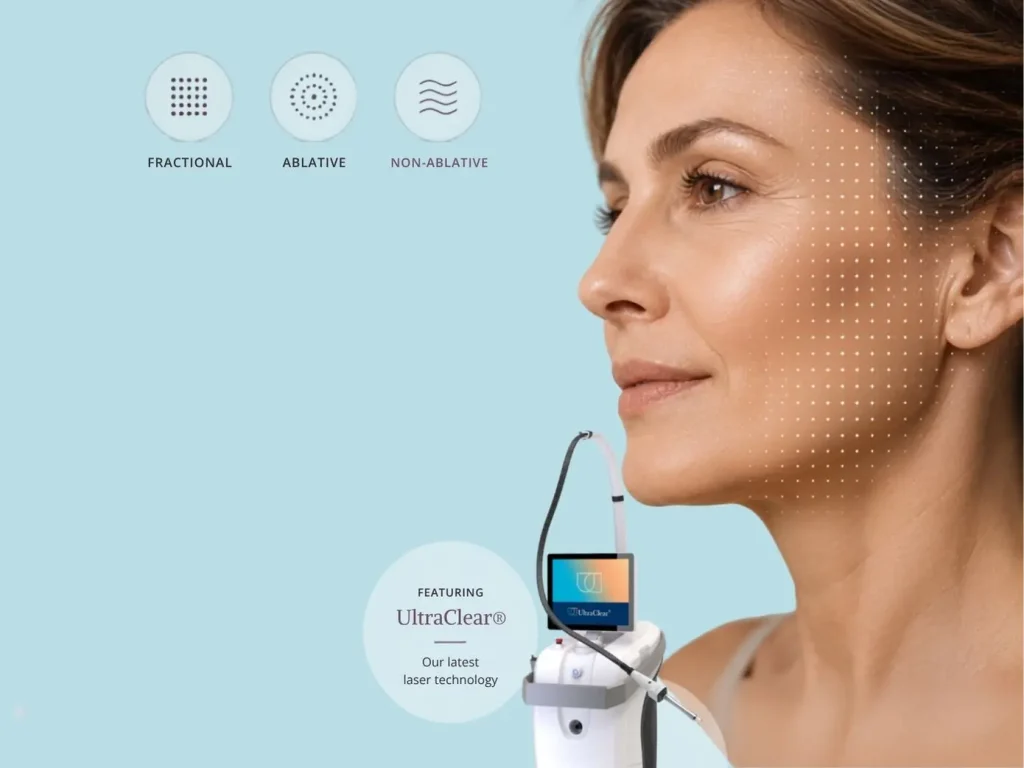
ADVANCED LASER RESURFACING
Advanced Technology.
Beautiful Results.
We offer the latest in laser resurfacing with UltraClear, along with a full range of fractional, ablative and non-ablative treatments–customized for you.
MULTIPLE OPTIONS. ONE GOAL.
CUSTOMIZED TREATMENTS
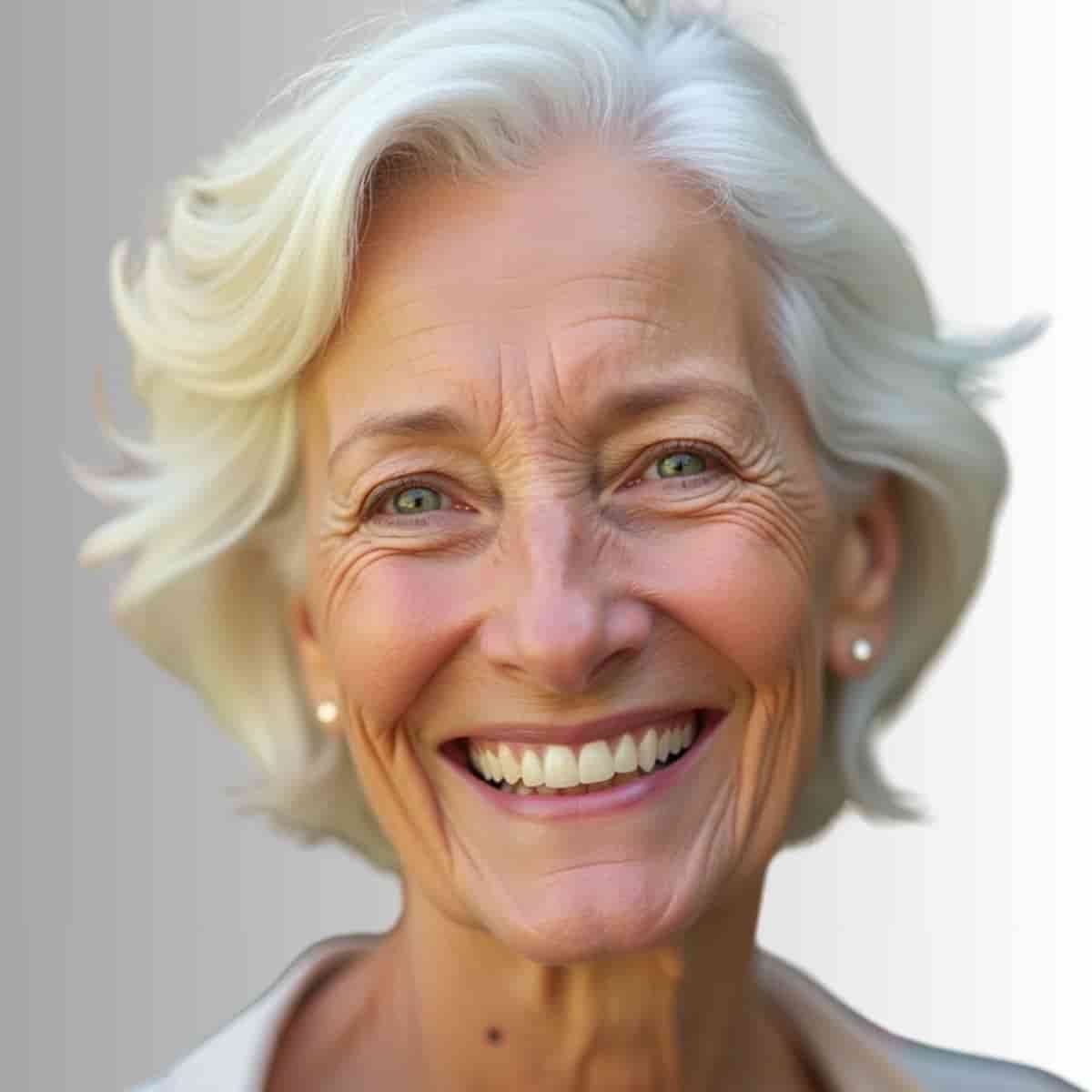
Laser resurfacing can improve wrinkles, sun damage, uneven texture, pigmentation, acne scars, and other forms of scarring.
However, laser resurfacing is not one single treatment. There are many options ranging from older CO2 and Erbium to the newest technology, UltraClear

Some treatments are gentle and require little interruption to your routine. Others remove more damaged skin, stimulate greater remodelling, and require a more significant recovery period.
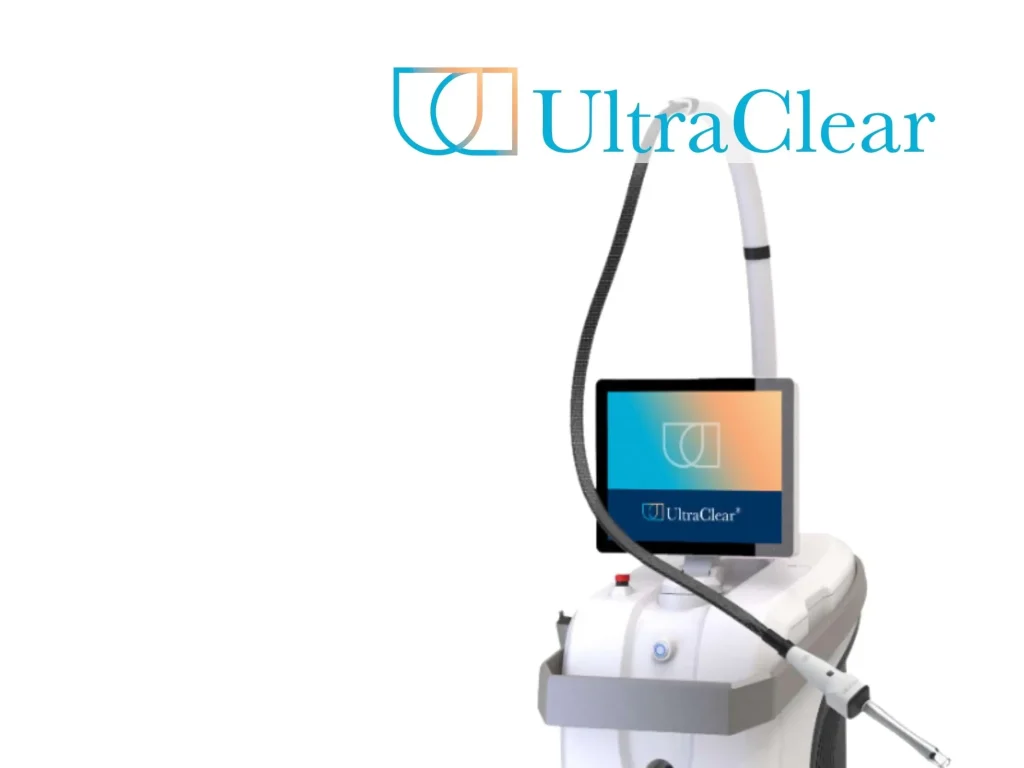
We have used almost all forms of laser resurfacing, Our newest technology, UltraClear, gives us even greater control over treatment depth, intensity, heat, and downtime.
Before and After Laser Resurfacing Photos
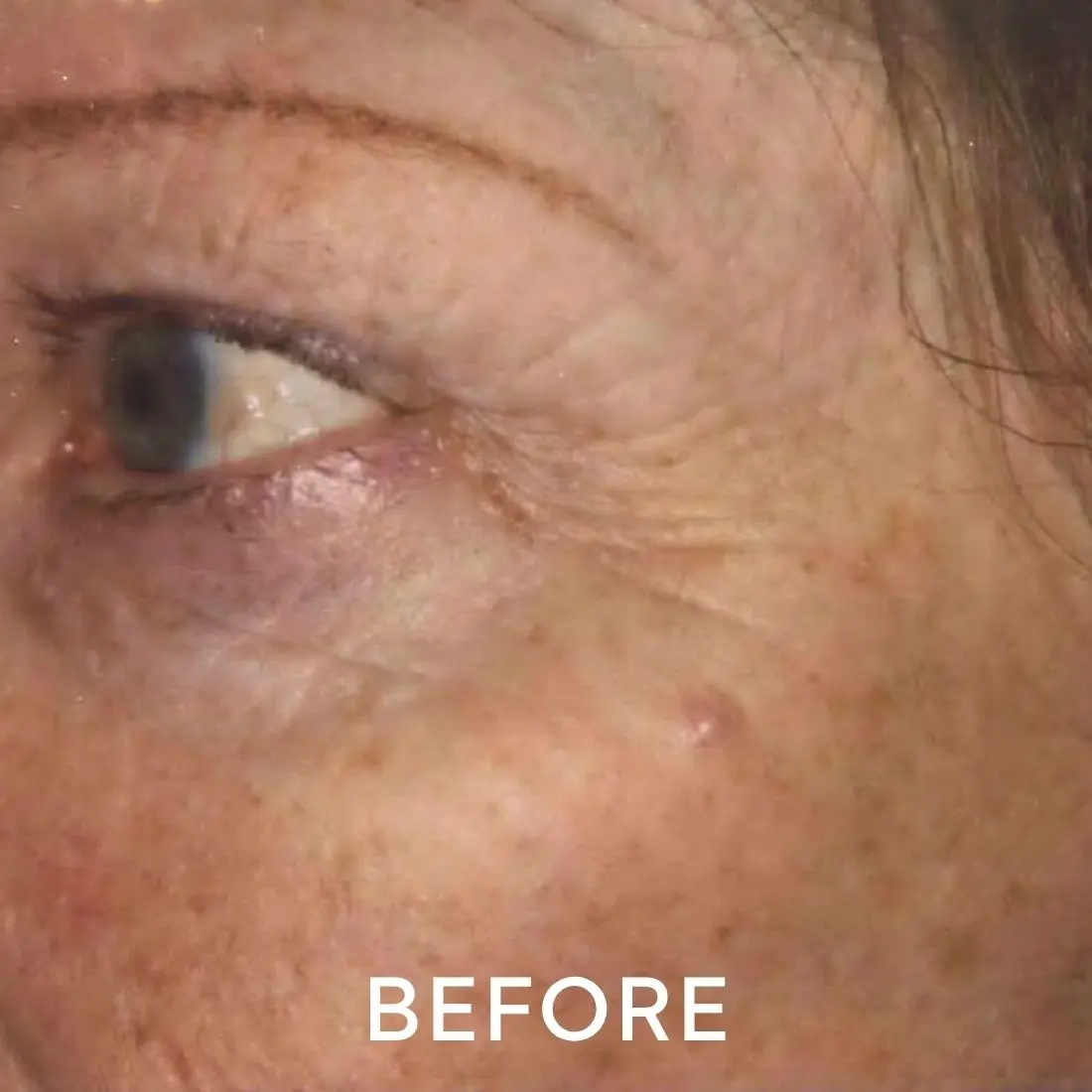
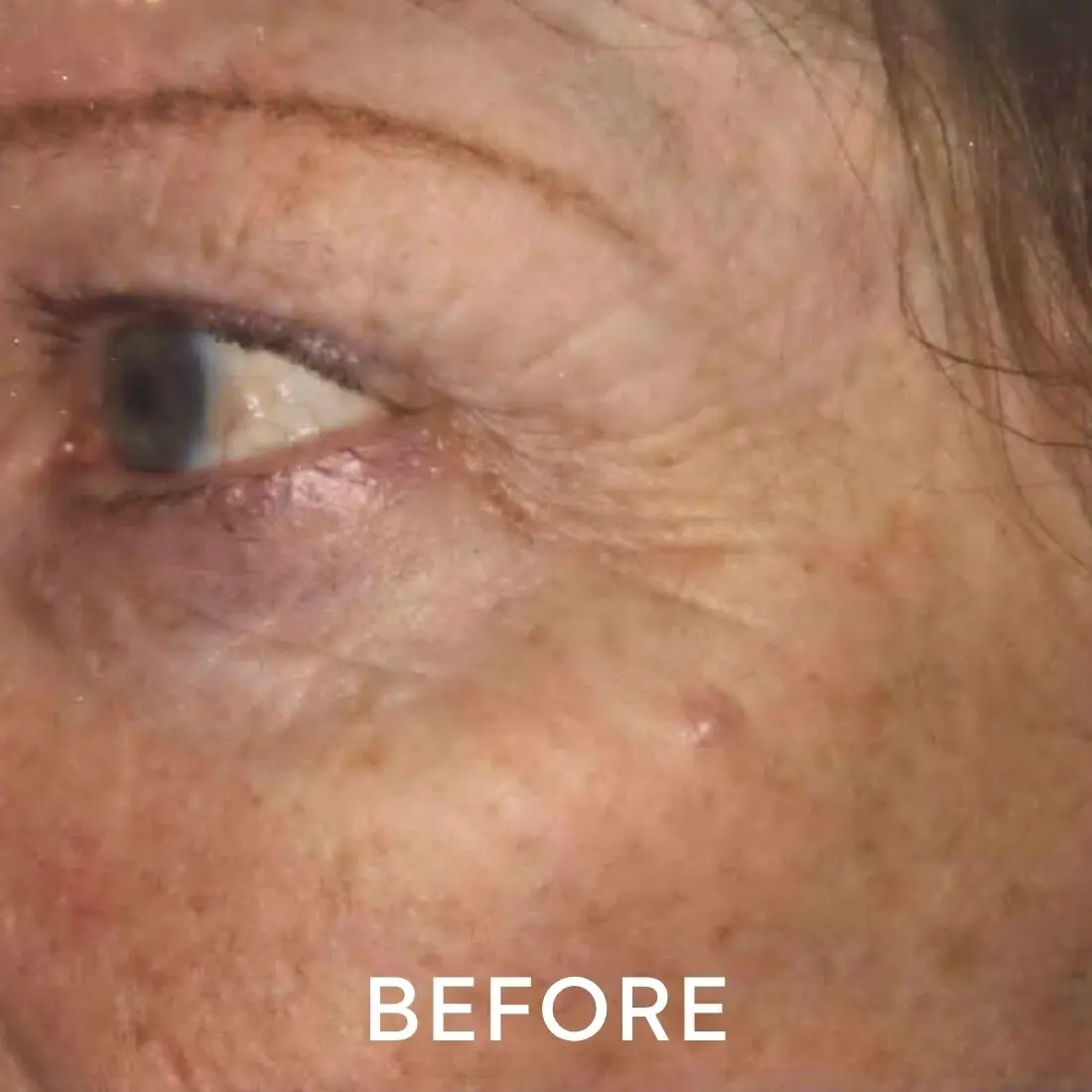
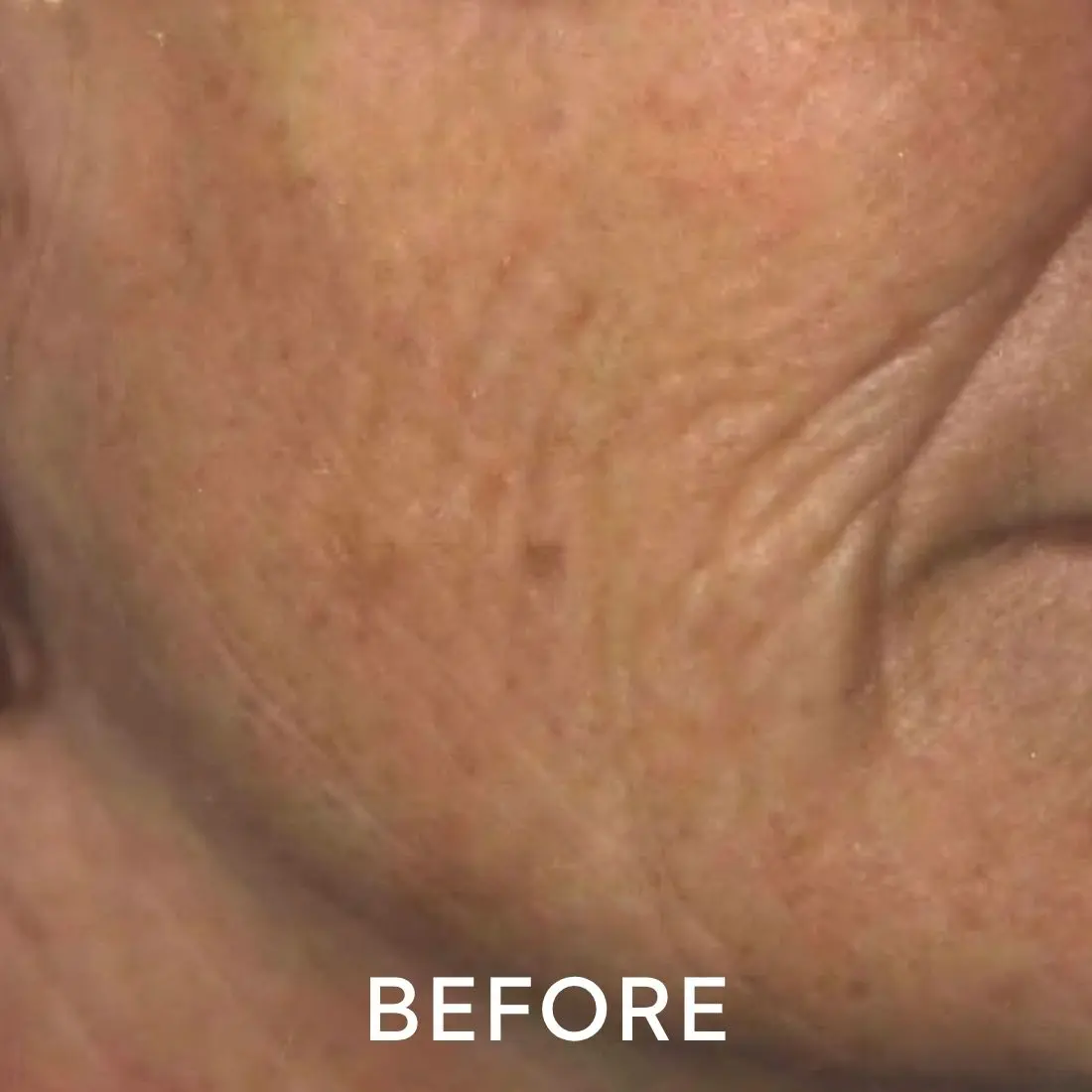
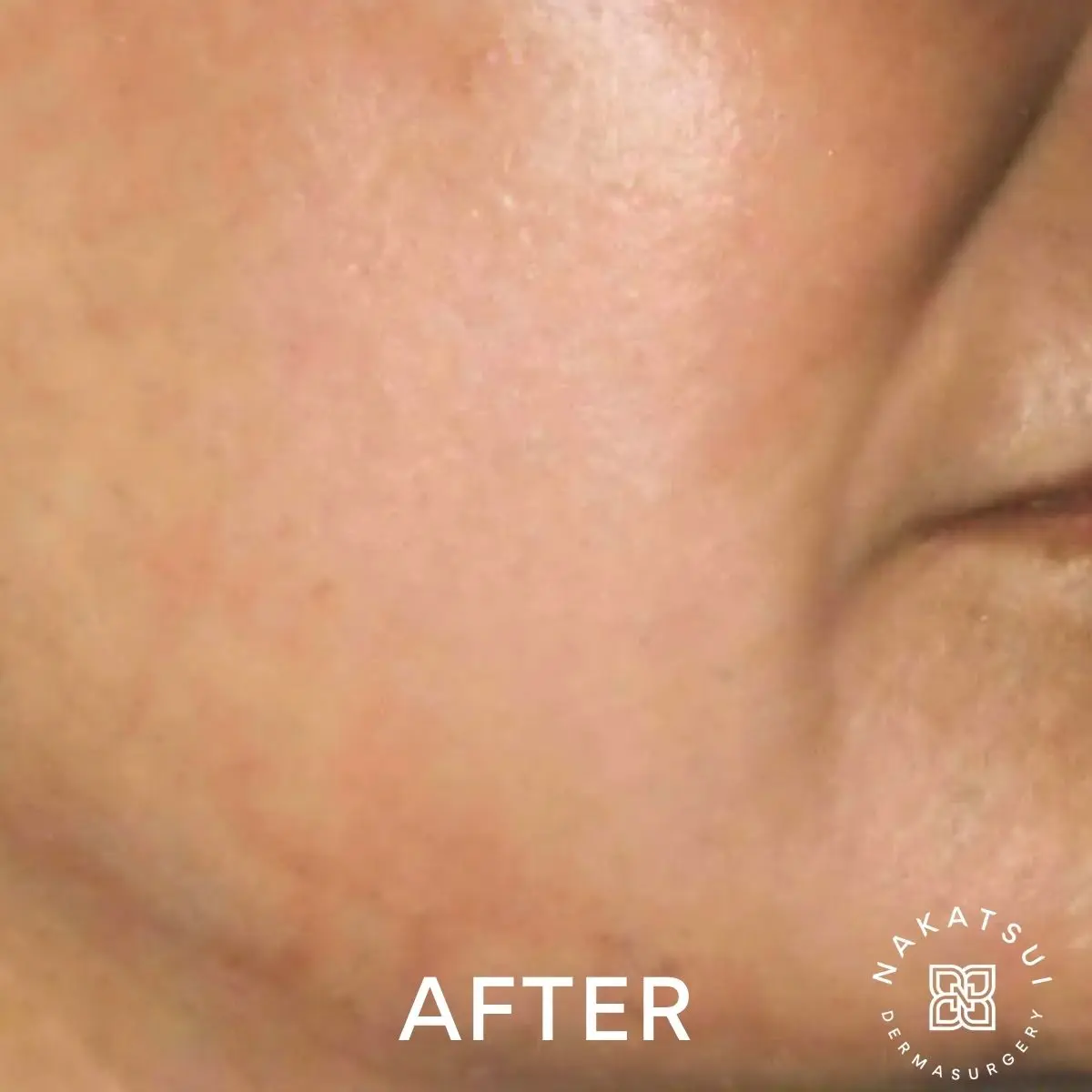
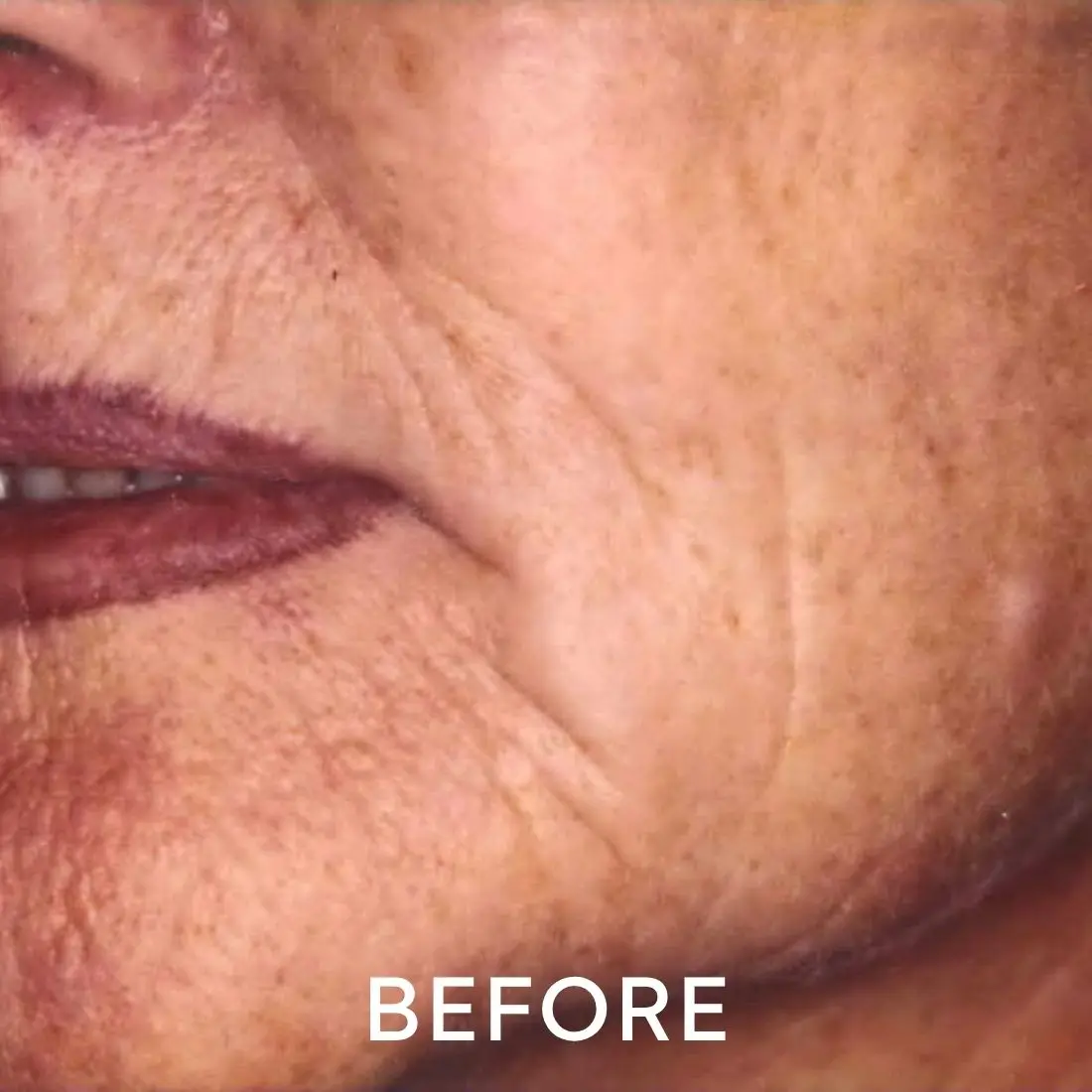
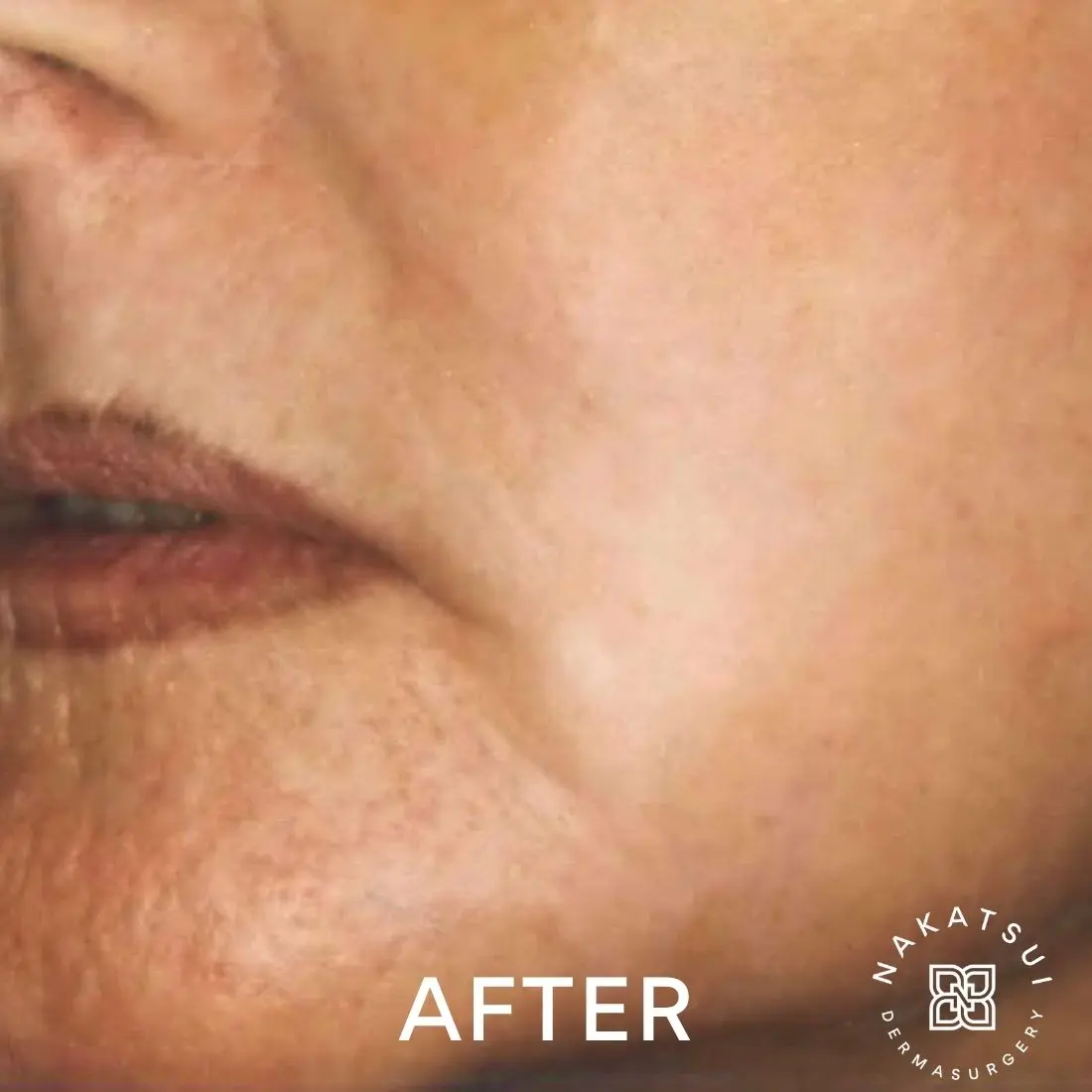
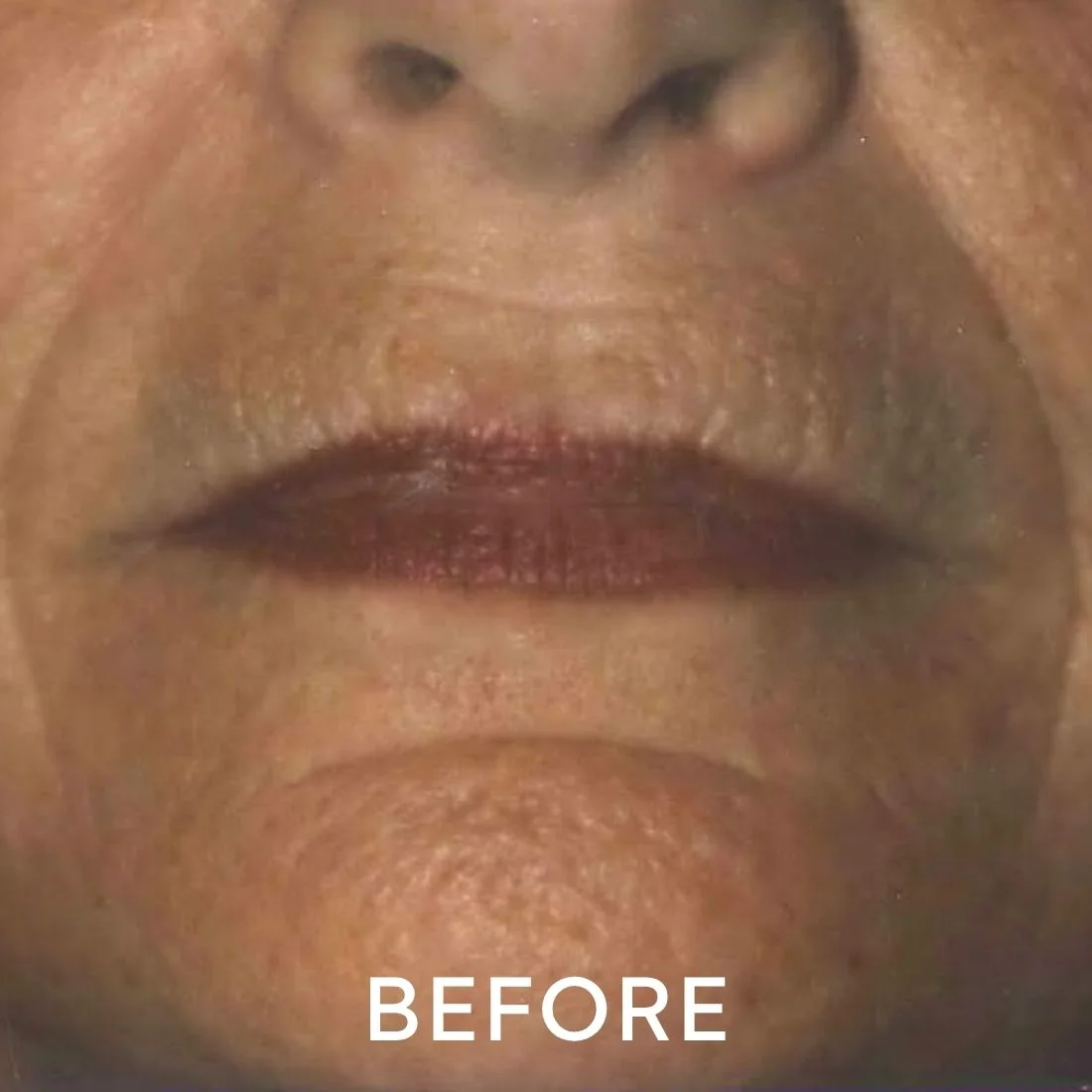
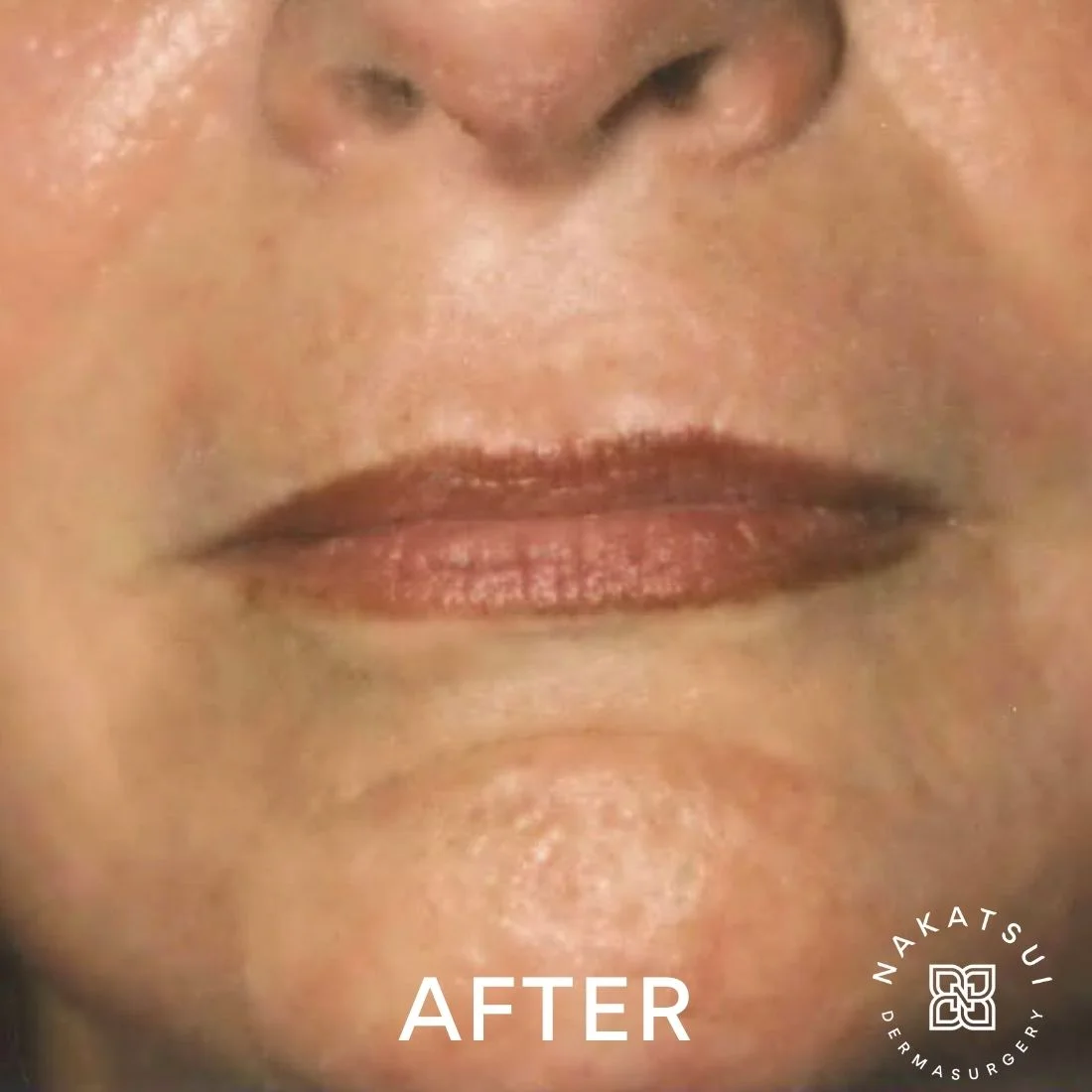
**Actual patients. Individual results may vary.

Can you explain the different types of laser resurfacing?
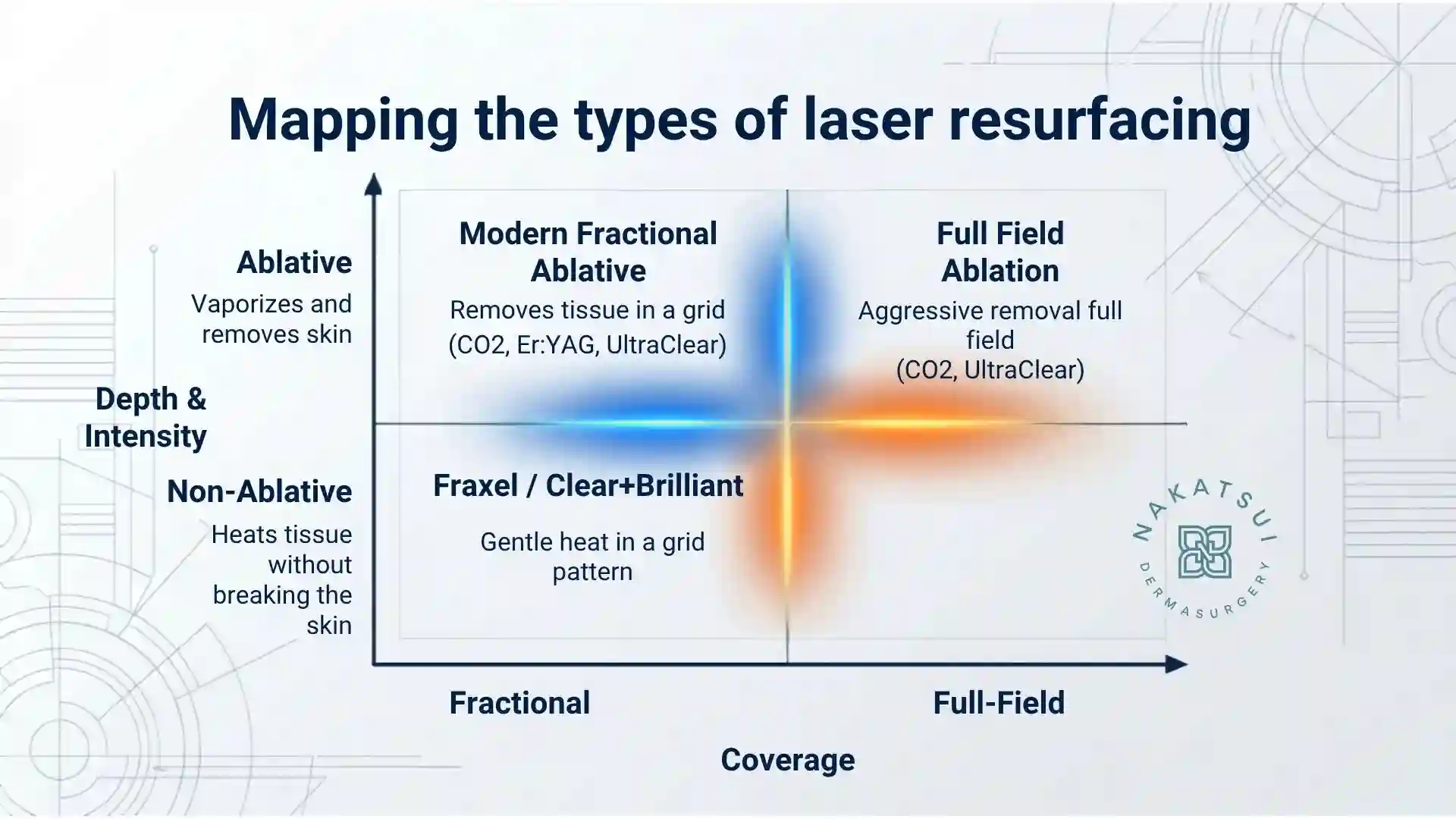
Resurfacing techniques are most commonly used to diminish wrinkles and rejuvenate the skin. However, not all resurfacing techniques are created equal. Each technique has its own limitations, risks, and periods of cosmetic disability. Less aggressive resurfacing tends to give less impressive results. Normally the more aggressive resurfacing options offer the greatest likelihood of substantial improvement. On the other hand, more aggressive options are accompanied by longer periods of recovery, although our new UltraClear resurfacing laser is changing this paradigm. Our dermatologist can help you decide which skin resurfacing treatment is best for you.
Still a little bit confused? Dr. Nakatsui loves to discuss this sort of thing. You can follow this link to learn a little bit more about how laser resurfacing works. The science is truly fascinating.
Frequently Asked Questions
What can laser resurfacing improve?
Laser resurfacing may be used to improve:
- fine lines and deeper wrinkles
- sun damage and age spots
- uneven tone and rough texture
- enlarged pores
- acne scars
- surgical or traumatic scars
- crepey or weathered skin
- loss of firmness and visible signs of aging
What is the best resurfacing laser?
There is no single “best” resurfacing laser. The real question is: What level of improvement are you looking for, and what level of recovery are you comfortable with?
Gentle resurfacing
Best suited to patients looking for:
- brighter-looking skin
- more even tone
- mild textural improvement
- early signs of aging
- minimal disruption to work or social activities
Moderate fractional resurfacing
Best suited to patients looking for:
- more noticeable improvement in texture
- fine lines
- sun damage
- mild to moderate acne scarring
- collagen remodelling with manageable downtime
Deeper fractional resurfacing
Best suited to patients with:
- more advanced wrinkles
- deeper textural changes
- acne or traumatic scars
- more significant sun damage
- greater willingness to accept redness, peeling, and recovery
Fully ablative resurfacing
This may be considered for selected patients with:
- deep wrinkles
- substantial surface damage
- advanced photoaging
- severe textural irregularity
What is advanced laser resurfacing?
Advanced laser resurfacing refers to the use of the latest effective resurfacing technology. As of 2026, the newest effective laser resurfacing technology was the implementation of microburst laser pulses in the form of the UltraClear laser. CO2 and erbium:YAG lasers, while still effective in their own ways, are established but older technologies.
Is UltraClear always the best choice?
UltraClear is our newest resurfacing technology, but that does not mean it automatically replaces every other treatment.Different lasers interact with the skin differently. Depending on your concern, we may recommend:
- a gentle non-ablative fractional laser
- fractional ablative resurfacing
- UltraClear resurfacing
- traditional CO₂ or Er resurfacing
- plasma resurfacing
- a combination of resurfacing with another treatment
Our role is not simply to offer the newest machine. It is to select the right technology and treatment intensity for you.
Ablative versus non-ablative: which is better?
Neither category is universally better.Non-ablative treatment may make more sense when:
- your concerns are mild
- you cannot accept visible peeling or wound care
- you prefer gradual improvement
- you are comfortable completing a series
- your wrinkles or scars are more pronounced
- surface damage is significant
- you want a more substantial change
- you can accept a longer recovery period
Is laser resurfacing the best treatment for acne scars?
Acne scars are not all the same. Some scars are shallow and rolling. Others are sharply edged, tethered, narrow, or deep. Pigmentation and redness may also contribute to their appearance. For that reason, the best acne-scar plan may include more than one technique, such as:
- fractional laser resurfacing
- UltraClear Laser-Coring
- subcision
- punch techniques
- fillers
- Morpheus8
- vascular or pigment-targeting lasers
- other scar-remodelling treatments The goal is improvement—not complete erasure of every scar.
Resurfacing treatment options at our laser skin care centre
"The laser treatment you carried out on my face was very successful and makes me look so much younger that my wife is beginning to worry. Thanks for your kind attentions." --A.S.
"Dear Dr. Nakatsui, I’m so pleased with my laser resurfacing. I really appreciate what you have done for me. I look so much better and I’m very glad I had it done. Thanks so much. Thanks also to your staff. Everyone was so helpful and nice. I appreciate the wonderful care I was given by everyone." --M.B.
*The testimonials presented on any of our Company’s websites are applicable to the individuals depicted only and may not be representative of the experience of others.
Non Ablative Laser Resurfacing
Non-ablative laser resurfacing involves the gentle application of a long wavelength of laser light to stimulate collagen production, reduce wrinkles, and rejuvenate skin. One of our popular methods to do this is using a treatment called Clear + Brilliant. We used to use the Cutera Genesis for this but found Clear +Brilliant and another treatment called PicoWay Resolve more effective. This treatment generally helps to rejuvenate the skin by reducing fine wrinkles, evening out irregular pigmentation, and smoothing out texture changes.
While microdermabrasion and HydraFacials are a form of aggressive exfoliation where changes to the skin occur at a superficial level, non-ablative laser resurfacing works just below the surface of the skin. It does not ablate the skin but rather passes through the superficial layers of skin and deposits the energy in the deeper dermis. In addition, treatments like PicoWay Resolve create sites of Laser Induced Optical Breakdown (LIOB). This helps stimulate collagen realignment, increase the elasticity of the skin, and remove superficial pigment. Repeat sessions are necessary to achieve maximum benefit. The recovery period from nonablative laser resurfacing is generally short. After a treatment the skin may vary in colour from pink to red. This normally fades over time and is generally gone within 48 hours. PicoWay Resolve treatments may be combined with medicated creams and other types of resurfacing to achieve a synergistic benefit (3D Rejuvenation Program)
PicoWay Resolve Quick Facts
Description: The PicoWay Resolve laser stimulates the deeper layers of the skin while leaving the superficial epidermis intact. Often combined with medicated creams and microdermabrasion to achieve synergistic benefits.
Average Cost: $500-1000 per treatment.
Length of Procedure: 30 minutes.
In/Outpatient: Outpatient.
Anesthesia: None.
Recovery Time: None, although skin may be slightly pink or red for a few hours after treatment.
Treatment Frequency: Three to six treatments over a period of 3-6 months.
Risks: Irritation, irregular pigmentation, persistent redness, possible wounds and scarring if performed incorrectly.
Duration of Results: Temporary, but results normally continue to improve with repeated treatment. Sun protection is essential to maintain results.
Fractional Ablative Laser Resurfacing
Whereas PicoWay Resolve is a nonablative fractional laser treatment, there are many ablative fractional laser treatments available, such as Fraxel, Pixel, DeepFX, Pearl Fractional, and now our newest technology, UltraClear. Treatments such as Fraxel ablate or vaporize only small columns of skin leaving intact skin between the columns of ablation.
UltraClear is our newest and most exciting fractional ablative laser. Because of its advantages (e.g. laser coring), it is quickly supplanting many other lasers for skin rejuvenation.
Pearl (Erbium:YSGG) Laser
The Pearl procedure combines the impact of resurfacing lasers with the gentleness and safety of non-invasive procedures to treat aging and sun damaged skin. The Pearl is particularly effective at evening out brown discoloration in the skin caused by solar damage as well as reducing wrinkles and evening out texture. During the procedure, the top layer of the skin is treated with pulses of light in a pre-selected pattern. The laser simultaneously sends heat to the deeper layers of the skin to provide longer term benefits. The semi-ablative treatment provides a natural protective dressing over the skin to minimize downtime during the restorative process. Four to five days after the treatment the natural dressing tends to slough off leaving new, healthy, vibrant skin underneath.
Quick Facts
Description: Laser light helps restructure layers of skin, improving fine wrinkles and scars. Often combined with Pearl to address uneven pigmentation.
Length of Procedure: One hour.
In/Outpatient: Outpatient.
Anesthesia: General.
Recovery Time: Normally return to work in five days.
Risks: Burns, scarring, pigmentation changes, infection, persistent redness, activation of herpes virus infections (cold sores) around the mouth.
Duration of Results: Results and duration of improvement vary. Aging and sun exposure can affect results.
Pearl Fractional (Erbium:YSGG) Laser
The Pearl Fractional is a recent advancement in the resurfacing treatments available for the treatment of wrinkles and texture changes in the skin. Laser pulses place tiny holes deep in the skin selectively removing columns of damaged tissue leaving the surrounding skin intact. Patients see an improvement in photo damage, tone and texture as well as a noticeably smoother brighter complexion. The Pearl Fractional is often combined with the Pearl to achieve maximum benefit (Pearl Fusion). The photo below shows one of our patients after one treatment with Pearl Fusion. Additional benefit can be seen with more treatments.
**Actual patient after one treatment. Individual results may vary.
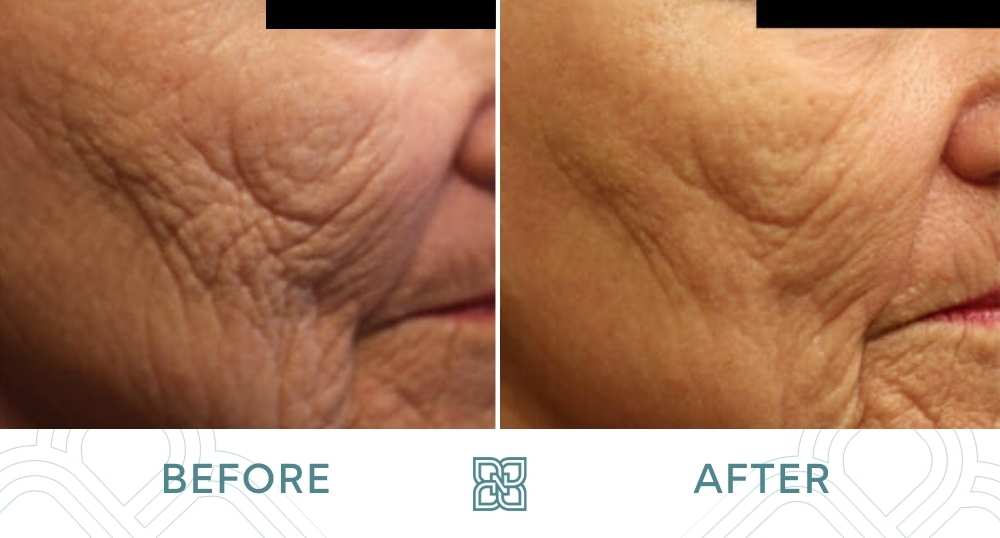
**Actual patient after one treatment. Individual results may vary.
Quick Facts
Description: Laser light helps restructure layers of skin, improving fine wrinkles and scars. Often combined with Pearl to address uneven pigmentation.
Length of Procedure: One hour.
In/Outpatient: Outpatient.
Anesthesia: General.
Recovery Time: Return to work in five days.
Risks: Burns, scarring, pigmentation changes, infection, persistent redness, activation of herpes virus infections (cold sores) around the mouth.
Duration of Results: Results and duration of improvement vary. Aging and sun exposure will affect results.
OPUS Fractional Plasma Resurfacing
Fractional plasma resurfacing is one of our advanced resurfacing skin rejuvenation techniques.
Whereas we have used the entire gamut of lasers to rejuvenate the skin and resurface the skin, we also have a type of resurfacing that has less downtime than many of our lasers for the same amount of benefit. Opus Plasma is a first-of-its-kind tunable microplasma technique to reverse the signs of aging.
Fully Ablative Laser Resurfacing
Carbon Dioxide Laser Resurfacing Technique
Patients with advanced sun damage of their skin and severe scarring do best with the carbon dioxide fractional laser resurfacing technique. In this case the surgeon has a great deal of control in the removal of wrinkles and evening out pigment and texture changes. The results can be very dramatic. The post operative recovery time is about fourteen to twenty-one days. During this healing period people must avoid sun exposure because the skin is quite sensitive.
Ablative laser resurfacing is the most advanced care for severely damaged skin (texture changes, irregular pigmentation, deep wrinkles) and scars. We use the UltraPulse ActiveFX and DeepFX laser systems for our patients. Although similar to devices such as Fraxel, ActiveFX and DeepFX carbon dioxide fractional laser techniques are more aggressive and require more downtime and recovery. On the other hand, they also provide more improvement over these less aggressive therapies. Our dermatologist, Dr. Nakatsui, can help you decide is this treatment is right for your skin.
Quick Facts
Description: ActiveFX and DeepFX carbon dioxide laser is used to remove the upper layers of the skin and reach into the dermis to improve scars, fine lines and wrinkles and to treat irregular pigmentation.
Length of Procedure: 30 minutes to an hour and a half.
In/Outpatient: Outpatient.
Anesthesia: General.
Recovery Time: Return to work within two weeks.
Treatment Frequency: May be repeated if necessary.
Risks: Burns, scarring, pigmentation changes, persistent redness, infection, activation of herpes virus infections (cold sores).
Duration of Results: Normally long-lasting, but aging will affect results. Sun protection is essential to maintain results.
Comment
The above treatment options help rejuvenate the skin by reducing wrinkles via collagen stimulation and elastin production. In the early stages of gravity pull, nonsurgical skin tightening using Morpheus8 RF microneedling can be helpful. Gravity changes that result in redundant skin require re-draping surgical procedures and deep muscle pull creases require Botox whereas volume loss requires dermal fillers. Facial veins and deep pigmented lesions require treatment with target specific lasers or with IPL PhotoFacials.
Many patients start with the milder treatments and eventually move on to the more effective, aggressive treatments for aging changes. One treatment does not preclude the use of others.
Many patients begin with medicated creams, then move through the spectrum of HydraFacials, fractional non-ablative lasers like Clear and Brilliant, plasma resurfacing, fractional ablative laser resurfacing such as UltraClear, and then on to fully ablative laser resurfacing as aging changes continue to progress. Others are happy to stay with the least aggressive options. What might be good for one person may not be good for another or may not be good at a certain period of time in their life. Whatever treatment is chosen, it’s important to reflect on the procedure, alternatives, risks, limitations, and the experience of the surgeon.

Do you have any questions about skin resurfacing or skin rejuvenation? Please feel free to contact us with any questions you may have!